
Rewilding Mindo
from cattle pasture to cloud forest
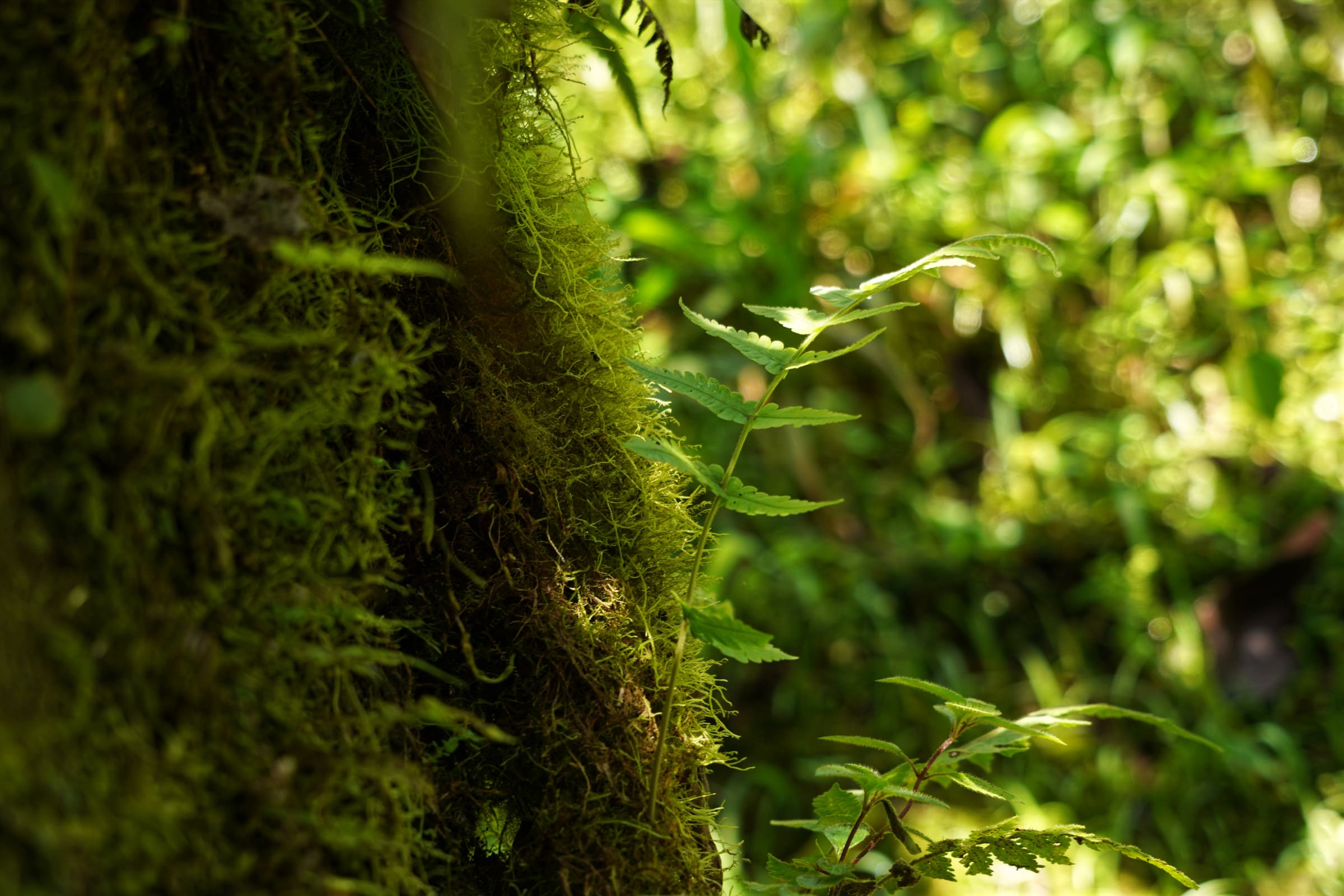
For more than three decades, Mindo Lindo has been restoring cloud forest, supporting biodiversity, and documenting ecological change in the Mindo valley. Look how far we’ve come:
Our Conservation Projects
Forest Restoration
Reviving the Cloud forest
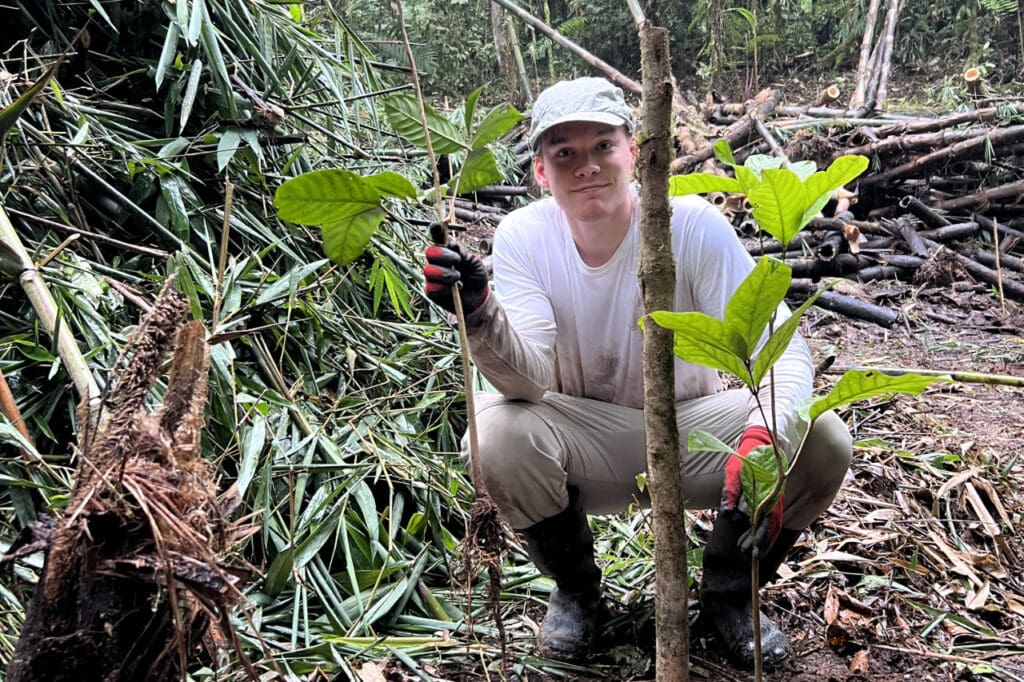
The reserve property was largely degraded pastureland before restoration began in the 1990s. Through plantings and collaboration with regional landowners, more than 59,500 trees have been planted across about 70 hectares. Trees grown in local nurseries help restore forest structure and biodiversity.
Rare Tree Conservation
Protecting Vulnerable species
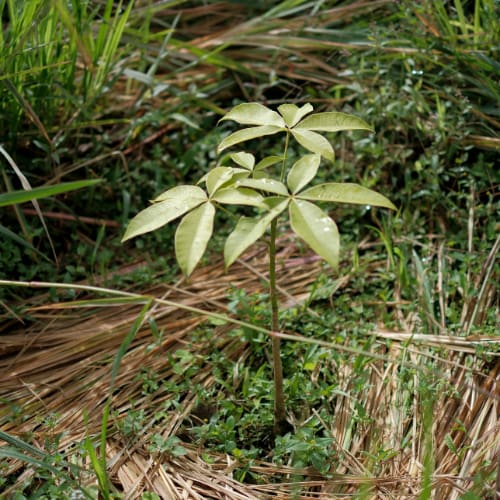
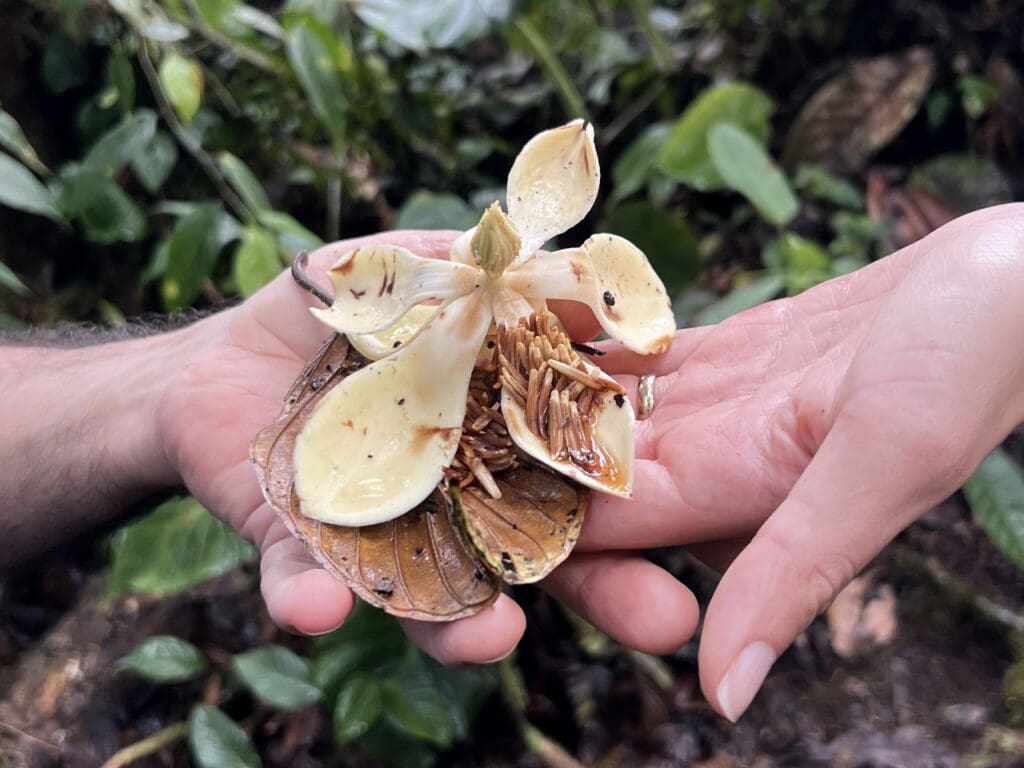
Mindo Lindo also supports the conservation of threatened tree species. Seed collection, propagation, and reintroduction help protect species such as Magnolia mindoensis and Retrophyllum rospigliosii, a rare Andean conifer that has almost disappeared from Ecuador.
Research & Monitoring
Tracking forest recovery
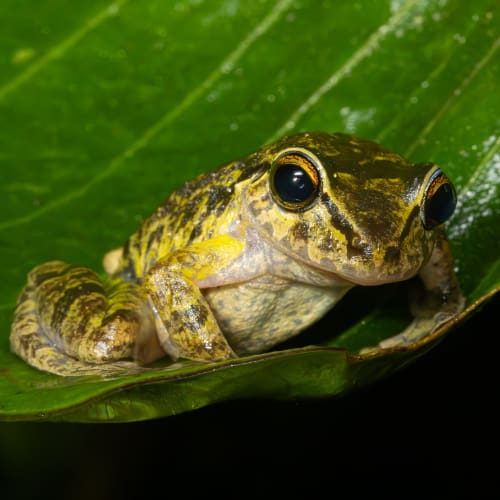
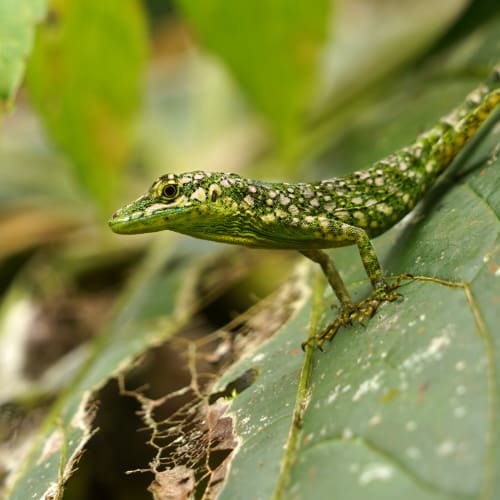
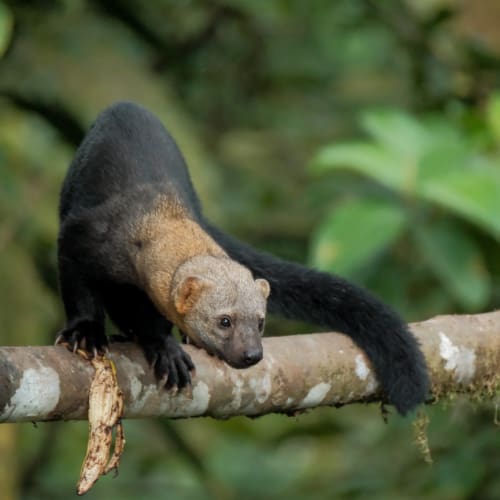
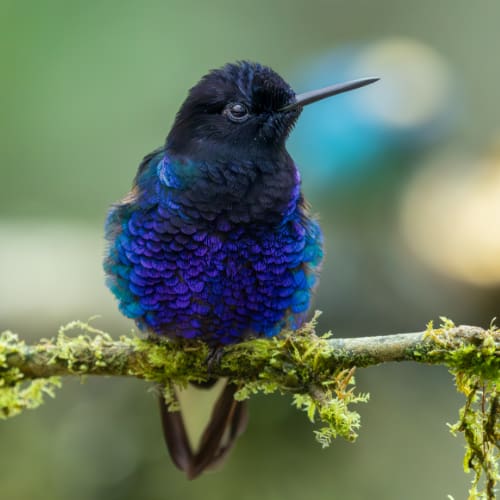
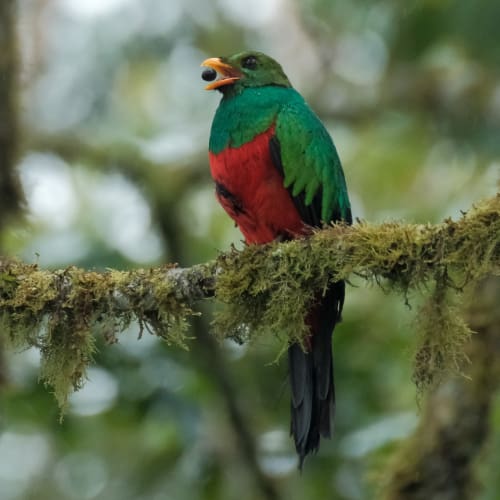
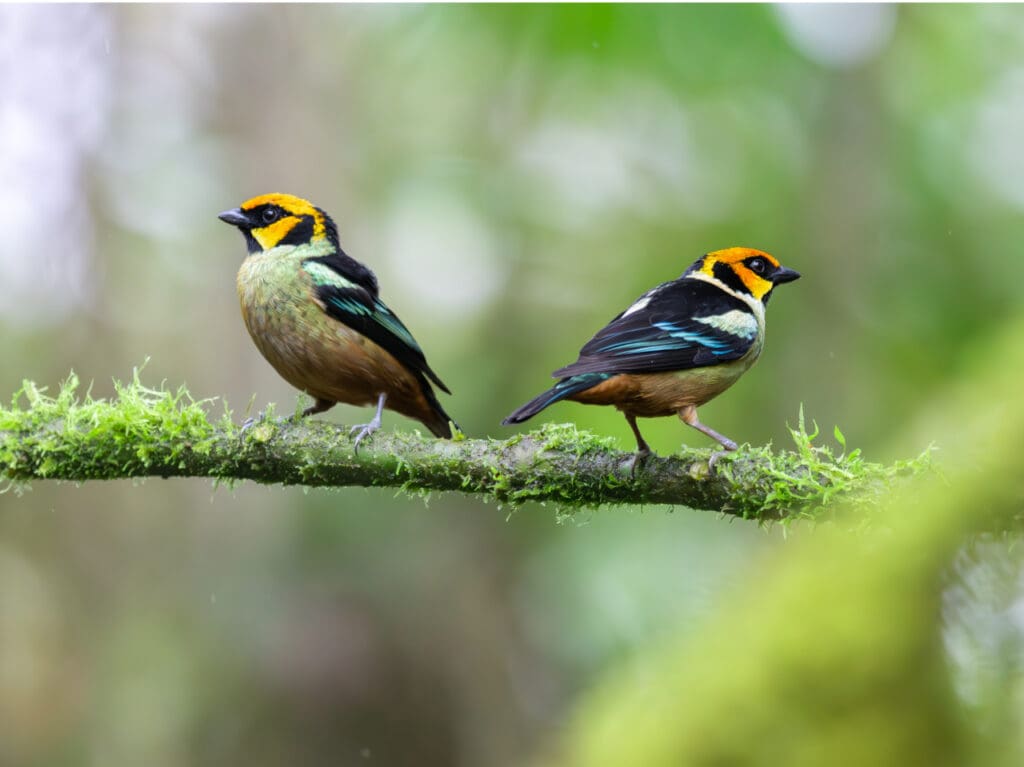
Since the mid-1990s, Heike’s weekly bird monitoring has created a long-term record of how wildlife communities change as forest returns. Visitors and collaborators also contribute observations through eBird and iNaturalist, helping document the growing diversity of life in the reserve.
Partners and Collaborators
The conservation and research work at Mindo Lindo is strengthened through collaboration with universities, conservation organizations, and international partners. These partnerships support reforestation, biodiversity research, and long-term ecological monitoring in the Mindo region.